St Botolph’s Trunch
An early 15th century church
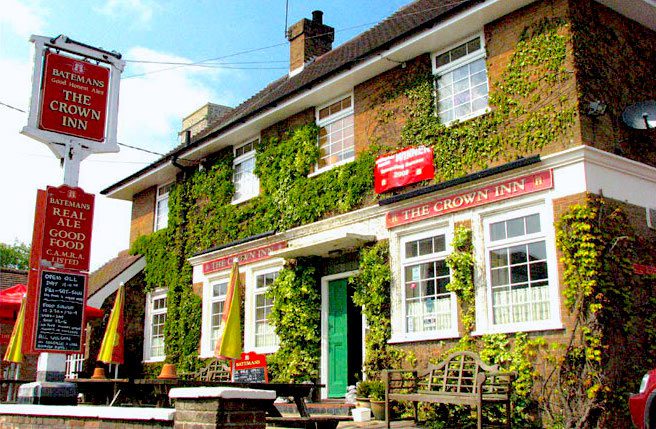
Just one mile from St Nicks Art Centre, in the middle of Trunch, surrounded by a lovely collection of cottages and the more modern Crown Inn, is St Botolph’s church.
St. Botolph’s Church Trunch is regarded as the most interesting of the village Churches of Norfolk (‘The Guide to Norfolk Churches’ by D.P. Mortlock and C.V. Roberts).
A large variety of excellent musicians and ensembles have performed at St Botolph’s over the past few decades, starting from 1997. The medieval church offers an enchanting atmosphere and superb accoustics.
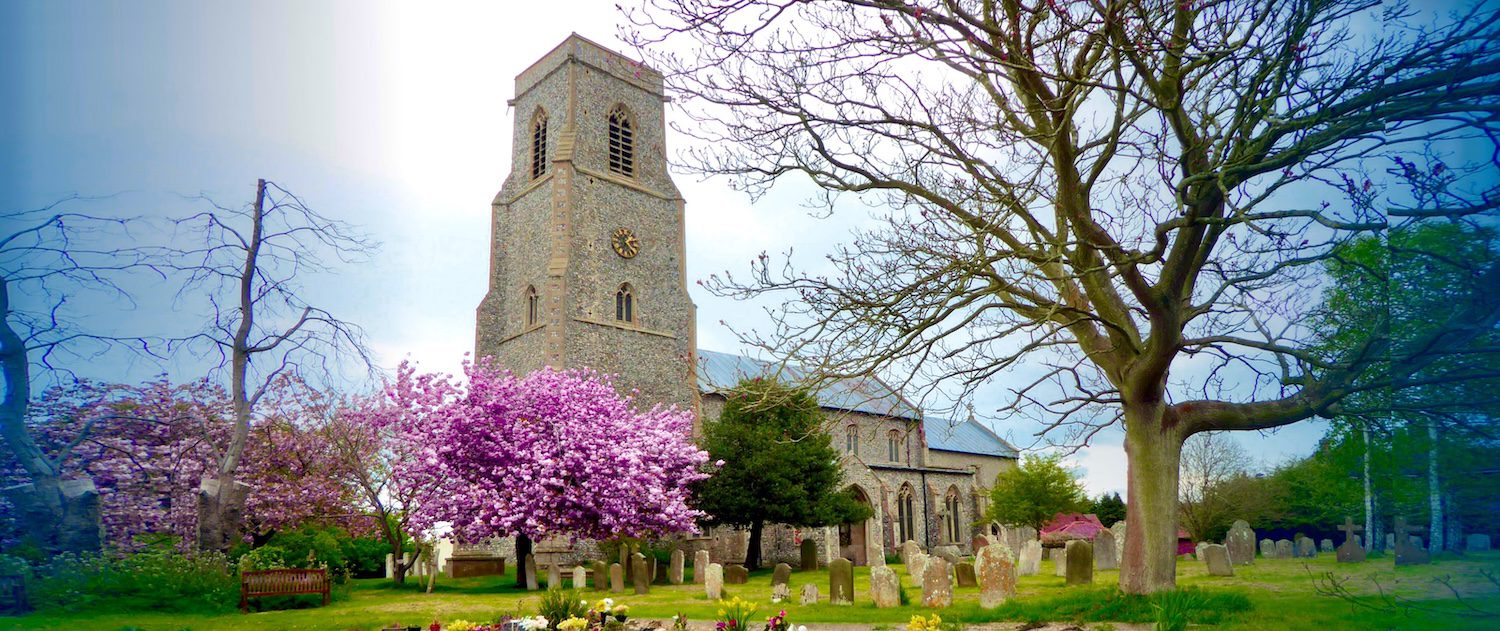
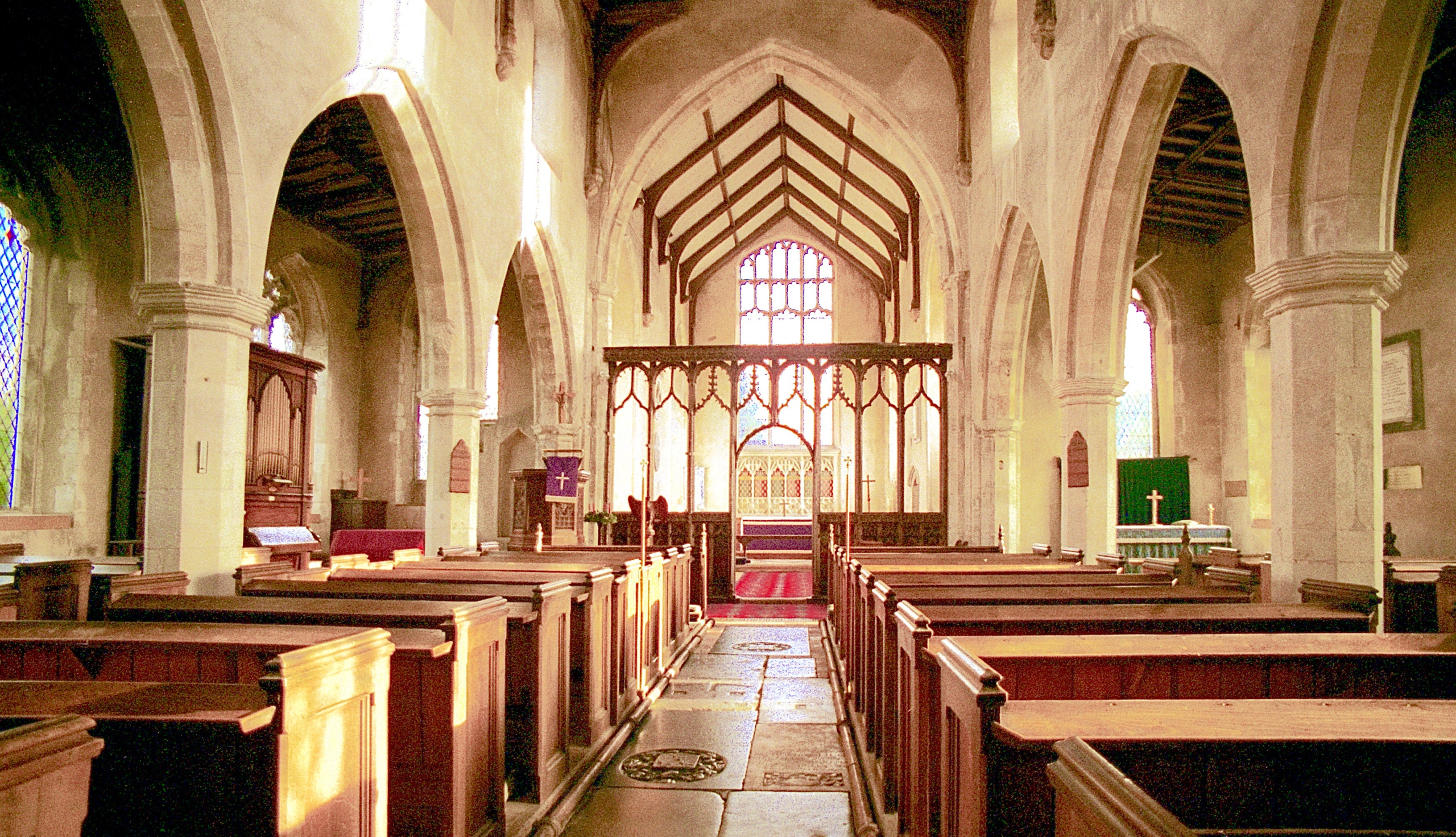
Much of what you see of the church is early 15th century, built upon earlier foundations. The oldest part of the Church is probably the Chancel, which is early 14th Century with later additions.
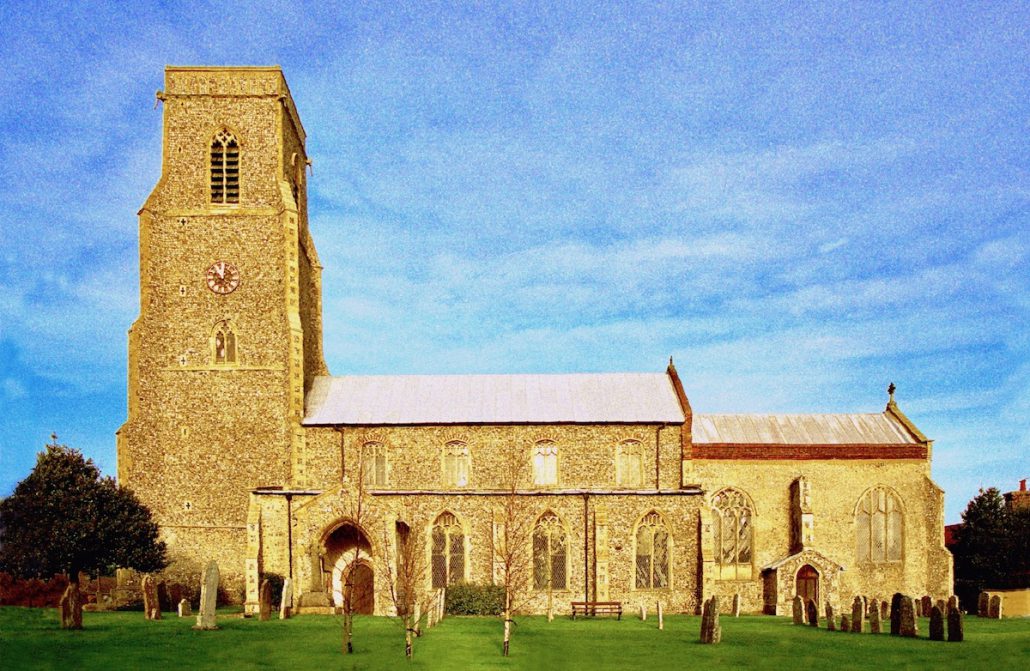
St. Botolph’s Church is built largely in Decorated and Perpendicular styles. It comprises Nave, north and south aisles, Chancel, west square tower with diagonal buttresses, and south porches to both main and chancel doors.
Lord Nelson’s daughter Horatia’s ledger stone is in the chancel and there are fine medieval misericords (mercy seats). Each carving is unique; some represent angels, and others are more grotesque in nature. In addition there are some beautifully carved bench ends. You can download the very interesting and detailed document “A history of the Chancel” which was written by the late Anne Horsefield in 2009 to satisfy a requirement of English Heritage before a repair grant could be givenl.
The very tall Nave has a fine hammerbeam roof. The great treasure of St Botolph’s however is the marvellous font canopy. Dating from c.1500, it is ornately carved in oak, and has slender pillars forming a hexagonal enclosure. It is one of only four to be found in England, the others being Durham Cathedral 1680, St. Peter Mancroft, Norwich 1450, and St. Mary’s, Luton 1350.
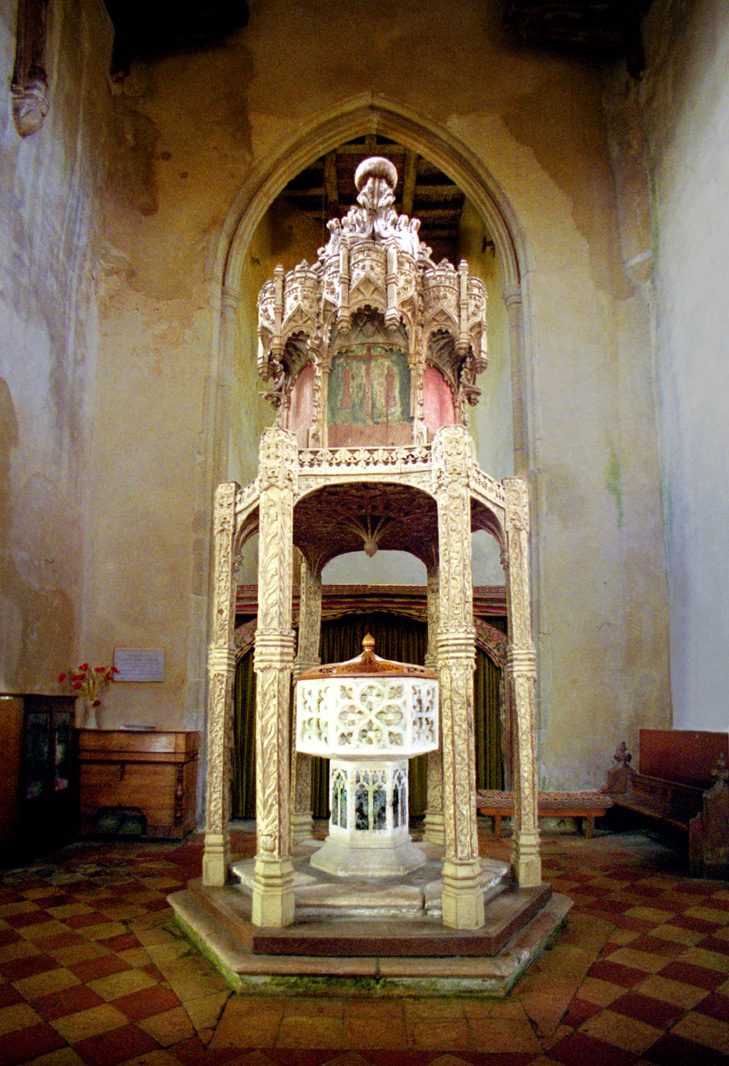
The font Canopy isn’t just one of only four in England, but arguably the best. It is so rare that people come from afar to see it, not necessarily because they are religious but because of its historical value and the mysterious symbolism of its many carvings, It is described as the jewel in the crown of this church. In addition to the front canopy, Trunch features a superb 15th century hammer beam roof, a feature of many churches in Norfolk and Suffolk.Here the carvings of angels are beautifully performed.
Along with the font canopy and roof the medieval screen survives. Like the canopy, this is richly ornamented. The twelve figures (11 disciples and St Paul) are boldly placed and coloured, but their faces have been completely vandalised by the 16th century reformers.
In the north aisle is the organ built by William Gray of London in 1808 and rebuit in 1957 by the Trunch organ builders Williamson and Hyatt. In 2012 this rare pipe organ was lovingly restored and rededicated by organ restorer Richard Bower, of Bower and Company, after a fund-raising appeal was launched to bring the organ back to life.
Mr Bower believed the organ originally was brought from Birmingham and it is one of only three left in the country.
The latest Quinquennial Inspection of St Botolph has revealed that the roof of this beautiful Grade 1 Listed church needs £200,000 of restoration work. Trunch villagers have set up a fundraising campaign and website to save what has been described as a wonderful medieval church. Villagers have organised events of all kinds, fetes, Cream teas, raffles, auction of promises, and continue to host a varied programme of concerts in the church to please every taste from Jazz to popular to classical music. All concerts proceeds are donated to St. Botolph’s Church conservation and restoration projects.
St Botolph, to whom the church is dedicated, was a seventh century Anglo Saxon noble of the Benedictine Order who was among the most powerful christianising influences of his time.
“Botolph, Botulph or Botulf (d. c. 680) was an English abbot and saint. He is the patron saint of travellers and the various aspects of farming. His feast day is celebrated either on 17 June (in England) or 25 June (in Scotland), and his translation on 1 December” (source: Wikipedia).
The Village of Trunch
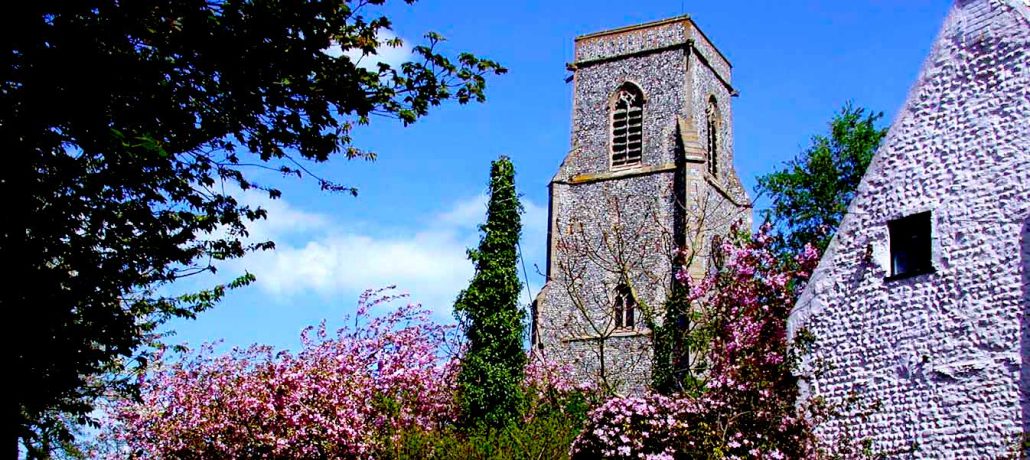
The North Norfolk historic village of Trunch lies two miles from the East coast, close to the coastal resort of Mundesley. The nearest town inland is North Walsham, and the historic and fine city of Norwich is around 17 miles south of Trunch. The picturesque Trunch village centre features the medieval Church of St Botolph (see the new guidebook) and typical old Norfolk flintstone houses within a designated conservation area. Our neighbour villages are Swafield, Bradfield, Gimingham and Knapton (1 mile). Since 2012 Trunch church of St Botolph is a centre of Trunch, Swafield and Bradfield parish.
The name “Trunch” is older than written records. The derivation is possibly from a Celtic word meaning “a wood on a promontory”, which the topography would support. This would suggest a Romano-Celtic origin.
The village economy has always been based on agriculture and the population has never been large. The current level is double that in 1939. In mediaeval times Norfolk was the richest county in England, its wealth derived from wool. Many great churches were built in Norfolk in the 14th and 15th centuries, including that of Trunch. Some of the farmhouses and buildings of the village are also very old.
The village population is currently around 800, of whom almost sixty percent are of pensionable age. The layout of the village is unusual and interesting in that the farmhouses and farmyards are for the most part together cheek by jowl, whereas their fields are spread in a discontinuous patchwork across the surrounding countryside.
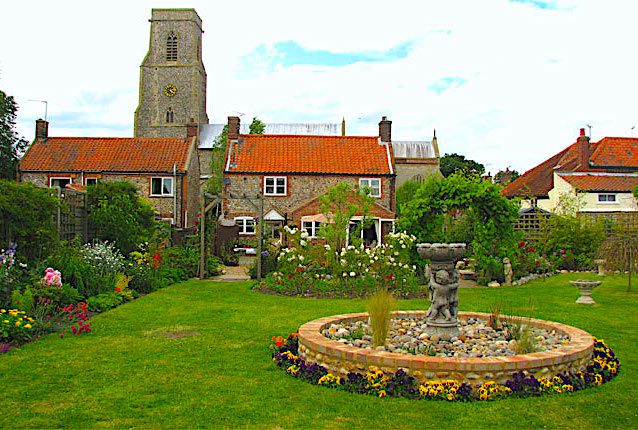
A post-war house-building expansion took place to the south and west of the older settlement, so Trunch today is a juxtaposition of ancient and modern, with the older buildings being the farmhouses and manorial buildings plus a cluster of smaller domestic properties around the church. Today, many of the remaining picturesque cottages in the centre of the village are modernised second homes, standing empty much of the year.
Trunch is surrounded by the North Norfolk protected area of outstanding natural beauty, and there are many public footpaths and quiet lanes, very inviting for (dog) walkers, bird watchers and conservationists.
Trunch offers a lot to residents and visitors. The village shop Corner Store also hosts a post office. You can spend a nice evening at the Crown Inn, Trunch village pub, which offers excellent beers and nice food. Alternatively, the Social Club also offers drinks and often Live Music.
Lots of exciting special events like the monthly concerts in St Botolph’s church, the annual Trunch Open Gardens & Scarecrow Festival, or the unique Trunchonbury Music Festival attract many visitors, and regular activities such as meetings of Trunch Friends or the Trunch Art Group take place in the spacious and welcoming Trunch Village Hall.
Trunch Village Society has various groups and activities under its umbrella, such as the Composting Group, the Garden Society , the Beekeeping Group and the Knitting & Stitching Group, and organises the annual Trunch Open Gardens & Scarecrow Festival.
St Nicks Arts Centre will serve as a model of how an historic rural church can evolve into a thriving arts and community hub without losing its sacred and heritage identity. This initiative ensures that St Nicholas remains at the heart of Swafield and the local area — not only as a spiritual space, but as a beacon for creativity, learning and community spirit for generations to come.
We would like to thank the following organisations who have generously help fund our restoration journey: